A systems view of biological health
The "Rethinking the SBS" video [1h:34mins] describes how the CRI (the Cranial Rhythmic Impulse, or 10-second CSR) occurs via
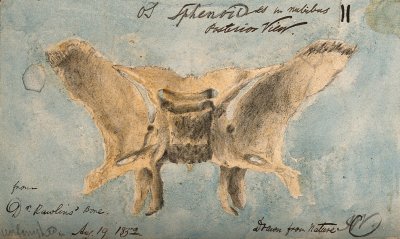
flexibility of the skull (and mainly through flexibility of the anterior sphenoid afforded by the superior orbital foramen and sphenoidal sinus), and NOT through movement of the SBS.
This way of thinking of the physical CSR has many advantages, including :
- There is absolutely no need to invoke mechanisms that are not recognised by mainstream medical science
- The motion is completely consistent with anatomy - and are easily and elegantly explained by direct reference to cranial anatomy
- The motions described are fully compatible with Magoun's 1st Edition
- The Suthermald lesions become a map to navigate 3-D cranial motion - as Sutherland originally intended - rather than being "real" movements of the cranial base.
- In applied practice it enables a seamless continuity and integration between "biomechanical" and "biodynamic" approaches.
VIDEO Contents :
- Introduction, nomenclature, references, basic premise
- Method of investigation, timeline
- The cranial base/clivus as a structural element, relationship to greater wings
- What are the Sutherland Lesions?
- ... and how we ended up thinking the SBS hinges
- Magoun : The SOJ is a Fulcrum and “the still point from which all healthy movement originates”
- How the cranium actually moves - replacing the "4 gears" with a sensible anatomically based model
- More on process - seeing differently
- Implications for treatment
- Cranial bone motions
- Implications for possible CRI driving mechanisms
This video reflects my experience over some 20 years of developing, refining and working with this model. You can also access free copies of :
... but the film is (in my opinion) clearer, and more suited to practical application.
If you like it and find that it enhances your practice, a
donation would be much appreciated.
Any donations £10 or over: send me a message to confirm who you are
and I'll send you a 90-minute CPD certificate.
If you have difficulty accessing the video or wish to leave feedback - Contact me (using the online form).
